Stock markets wobble as bond yields surge past critical 4.5% threshold again
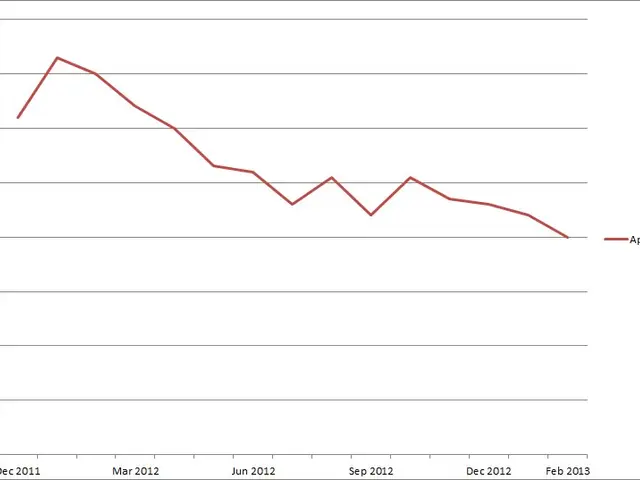
Rising bond yields have once again put pressure on stock markets. Each time 10-year Treasury yields stayed above 4.5% for over a month, shares fell sharply. This pattern has repeated several times since late 2023.
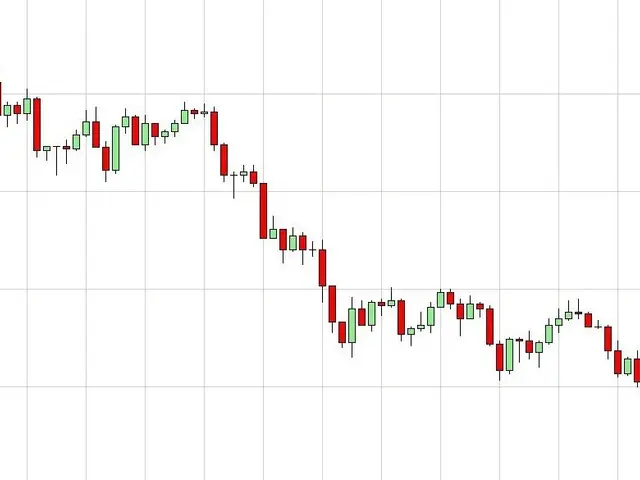
The latest spike comes after the Iran conflict pushed inflation fears higher, lifting yields from an 18-month low just weeks earlier. Between September 25 and November 20, 2023, yields above 4.5% sent stocks down over 5%. By late October, markets hit their lowest point of the year. A similar drop happened from April 10 to late May 2024, with the S&P 500 falling around 4%.
The trend continued into 2025. From late December 2024 to late February 2025, yields stayed elevated for two months. By early April, the S&P 500 reached new 52-week lows.
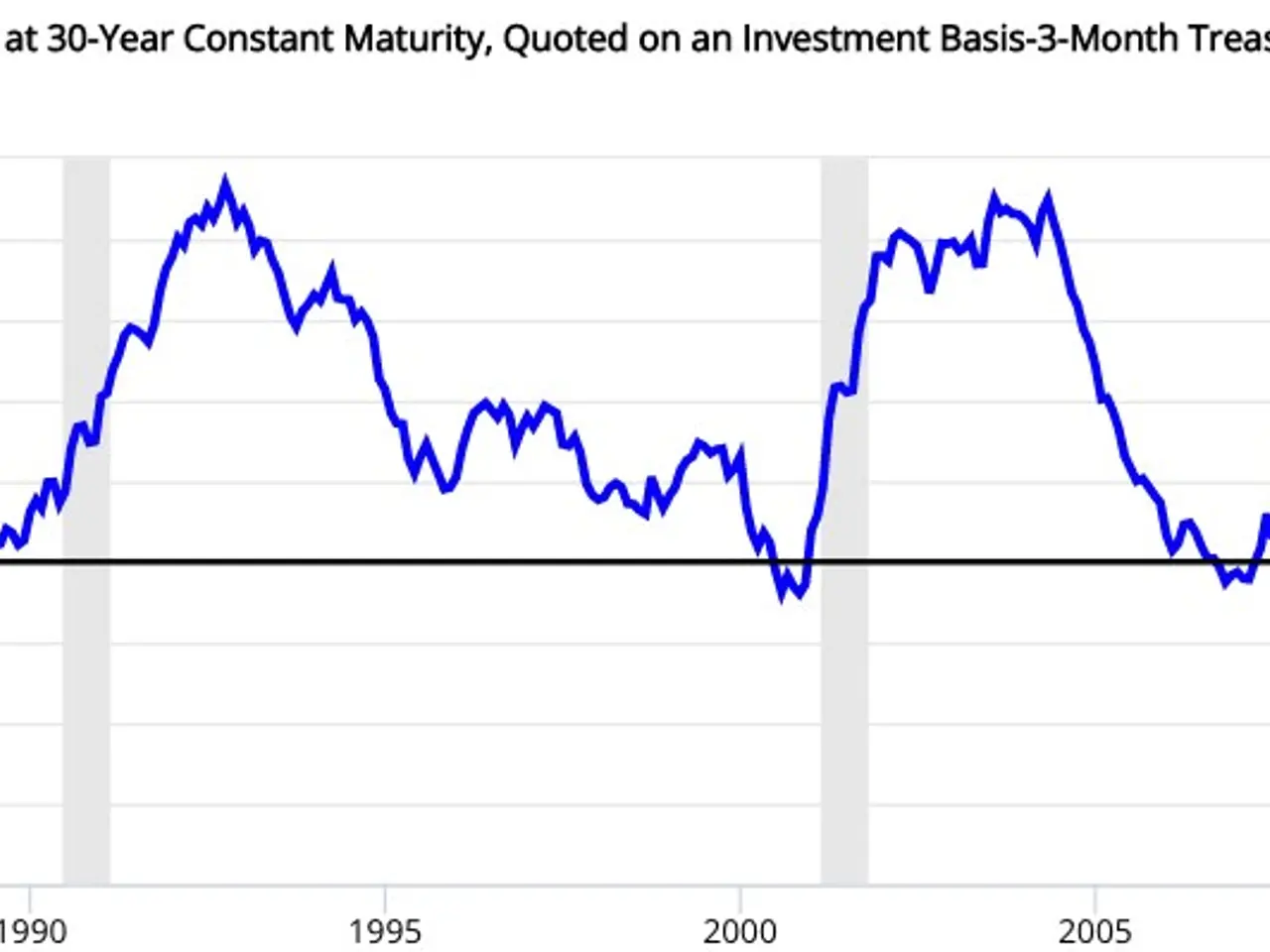
While the 10-year yield is a concern, the 30-year yield sitting at multi-decade highs is even more worrying. Still, analysts suggest the current spike may be short-lived, driven by war-related inflation rather than deeper economic issues.
Despite the volatility, the broader bull market remains strong. Earnings growth sits at 27.7%, a sign of underlying strength in corporate performance. Stocks have historically recovered after yield-driven downturns, but the timing depends on how long rates stay high. For now, the market remains resilient, though investors are watching bond movements closely. The current yield surge is seen as a warning rather than a full crisis signal.