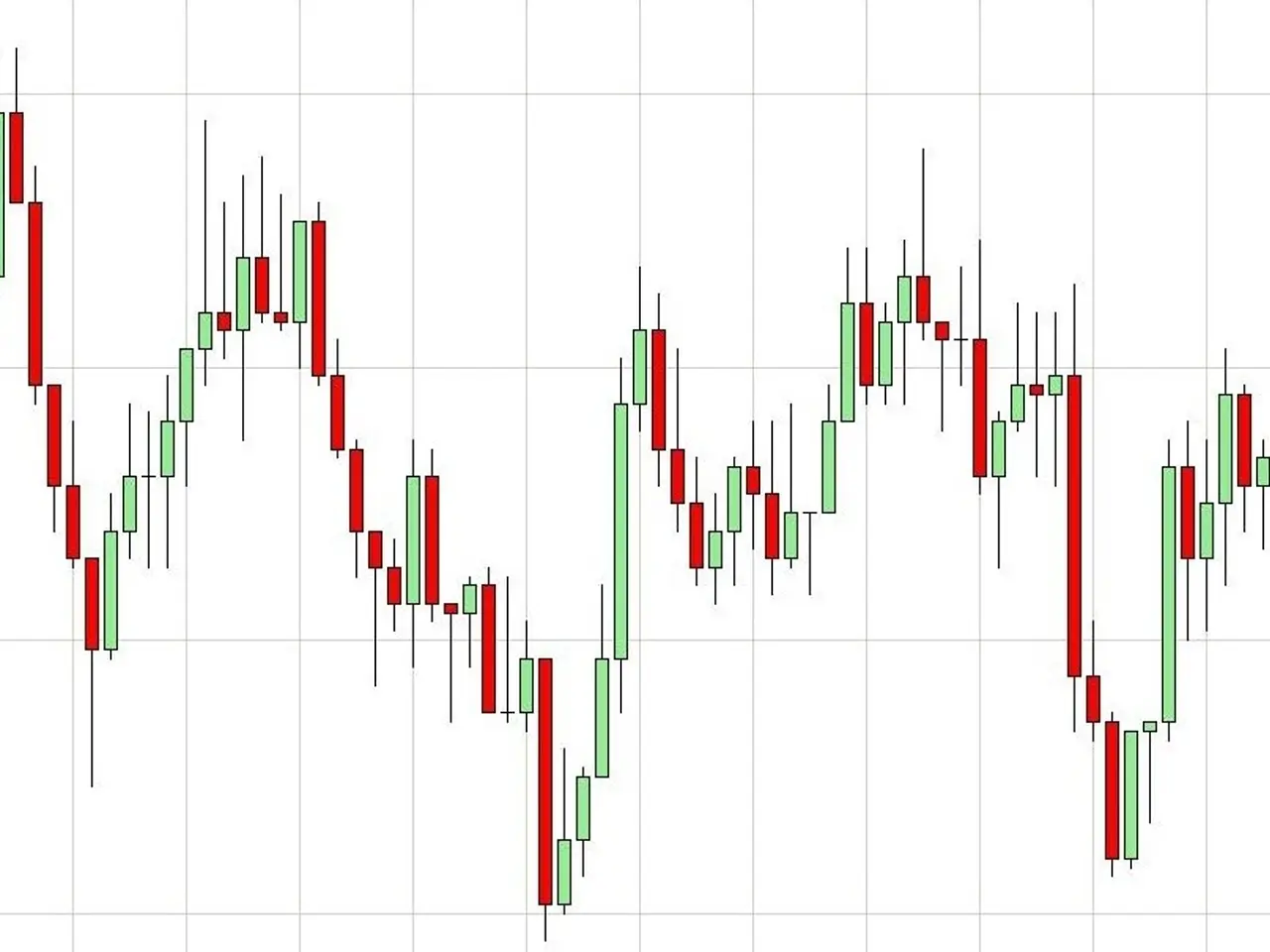
S&P 500 hits record high as 'unloved rally' defies investor skepticism
U.S. Stocks Chase New Highs, but Structural Weaknesses Raise Doubts
The S&P 500 and Nasdaq 100 are once again pushing toward record levels, yet underlying vulnerabilities call the rally's sustainability into question. The latest surge has been fueled by geopolitical easing and technical rebounds following prior pullbacks. But market watchers increasingly describe this as an unloved rally—one built on shaky ground. In the near term, investors will have to determine whether the rapid ascent falters or gains further momentum.
The record-chasing advance in U.S. equities bears all the hallmarks of an unloved rally: narrow market breadth, subdued trading volumes, and cautious investor sentiment.
Still, the benchmark S&P 500 hit a fresh all-time high and is up nearly 9% in April. Just last week, it closed above 7,000 points for the first time. The tech-heavy Nasdaq 100 notched a 13-day winning streak—the longest since 2013—before retreating slightly on Monday. Now, investors are turning their attention to the prospects of further U.S.-Iran peace talks, which could prove pivotal in deciding whether the rally extends or gives way to a correction.
Both the S&P 500 and Nasdaq 100 have climbed sharply since the ceasefire agreement roughly two weeks ago. Yet, according to a Bloomberg report, Wall Street strategists see signs that these gains rest on fragile footing.
One red flag is the rally's narrow leadership. When the S&P 500 reached its latest record, only about half of its components were trading above their 50-day moving averages—a far cry from the broader participation seen at the index's January peak or during the rebound from last year's trade-related turbulence.
Beyond geopolitical uncertainties, there are also expectations of weaker corporate guidance in this earnings season. Combined, these factors are keeping investors on edge.
"They're forced to like certain things, but they don't love the overall package," said JC O'Hara, chief technical strategist at Roth Capital Partners. The rally's structure suggests that "most of the gains are probably already behind us."
Another warning sign is the decline in trading volume. In April, S&P 500 volume ran about 11% below its six-month average, reversing a 9.6% premium seen in March. For O'Hara, this indicates that investors were more convinced during the prior sell-offs than they are by the current rebound.
"We still don't have a clear macroeconomic signal," he noted. "Investors remain hesitant to fully re-enter the market." Yet, despite the caution, the Fear & Greed Index has swung back into "greed" territory.
A sentiment gauge tracked by Barclays has fallen even as the S&P 500 advanced sharply. The bank calls this an unusual pattern given the speed of the recovery. Over the past 20 years, there have been only five other instances where the indicator declined during a strong upward move.
"The euphoria around equities hasn't picked up meaningfully, which is typically what you'd see when the S&P 500 bounces back from a sharp sell-off," said Stefano Pascale, head of U.S. equity derivatives at Barclays.
According to Mark Hackett of Nationwide, the rebound has been driven largely by a short squeeze, as well as institutional investors who had been underweight and are now rushing back into stocks.
Still, investors have plenty of reasons to stay on the sidelines. Key uncertainties remain, particularly whether oil flows through the Strait of Hormuz will normalize and how rising energy costs might weigh on consumer demand.
Another critical factor is the upcoming earnings reports from the big tech firms that have propelled much of the rally. With expectations running high, there's significant risk of disappointment if the Magnificent Seven fail to deliver.
Many Wall Street strategists still expect the S&P 500 to climb by year-end, with the average forecast at around 7,400 points—implying roughly 5% upside, according to Bloomberg. Citigroup reaffirmed its 7,700-point target on Monday, while JPMorgan anticipates 7,600, suggesting 7% to 8% potential gains—fueled by the ongoing AI boom.
Yet the bank acknowledges several unpredictable risks. "Short-term caution is warranted given the narrow market breadth, low trading volumes, and unresolved risks tied to the Iran conflict," said Anthony Saglimbene of Ameriprise.
Whether the record rally in the S&P 500 and Nasdaq 100 can broaden and sustain its momentum will hinge largely on whether the Strait of Hormuz remains open and whether U.S. economic fundamentals continue to support corporate earnings growth.