How GameStop and AMC Redefined Stock Markets with Epic Short Squeezes
Short squeezes occur when increasing stock prices compel short sellers to repurchase shares, driving prices up even further. Three critical factors: elevated short interest, constrained share availability, and a triggering event. GameStop experienced an unprecedented surge in 2021 when retail investors coordinated against institutional short positions. AMC Entertainment experienced a comparable squeeze during the meme-stock phenomenon. Additional notable cases include Bed Bath & Beyond, Carvana, and Beyond Meat.
The GameStop Phenomenon
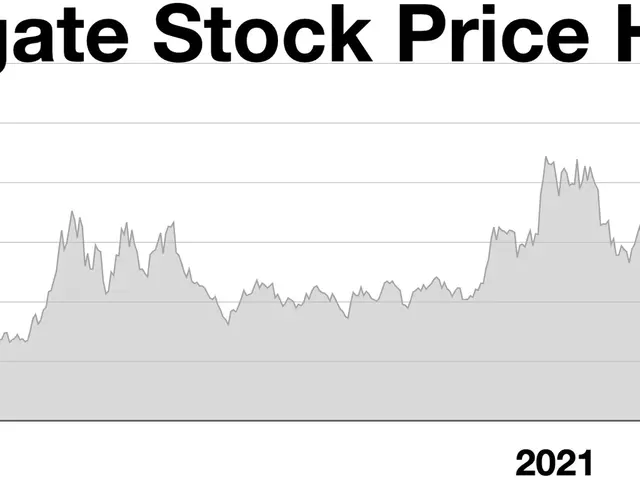
GameStop stands as the most prominent short squeeze in contemporary U.S. market history. During early 2021, the video game retailer faced exceptionally high short interest. Retail investors congregating on Reddit and similar platforms began accumulating shares and call options aggressively. As valuations climbed, hedge funds and institutional short sellers faced mandatory position closures. This forced buying intensified the rally. GameStop shares rocketed from approximately $20 to nearly $500 within weeks. The episode captured attention from regulatory agencies, government officials, and financial news outlets globally. Multiple prominent hedge funds disclosed significant losses.
Additional Prominent Examples
AMC Entertainment underwent a comparable squeeze during the identical timeframe. The cinema operator had numerous investors wagering on its decline. Retail traders countered aggressively, and the resulting short squeeze propelled shares dramatically higher. Bed Bath & Beyond also encountered a squeeze during its meme-stock era. The stock exhibited substantial movements driven by retail sentiment rather than operational performance. Carvana witnessed powerful rallies as short sellers were blindsided by purchasing pressure from traders anticipating a business recovery. Beyond Meat possessed a restricted float following its initial public offering, making it particularly susceptible to rapid price movements from demand shifts. Short sellers positioned against it experienced this vulnerability firsthand. Not every surge in heavily shorted stocks constitutes a squeeze. Some equities simply rebound on improving business fundamentals. Others receive momentum from short-term traders before retreating once buying momentum dissipates. Short squeezes can generate substantial profits but remain highly unpredictable. Valuations can climb far beyond reasonable business valuations, then reverse sharply. Participants entering positions late often suffer considerable losses. GameStop and AMC continue serving as definitive U.S. examples illustrating how retail trading coordination, social media influence, and elevated short interest can propel stocks far beyond analyst expectations.