Russia's housing boom reaches new heights with record high-rise sales
High-Rise Apartments Account for 44% of Moscow's New Housing Market in 2026
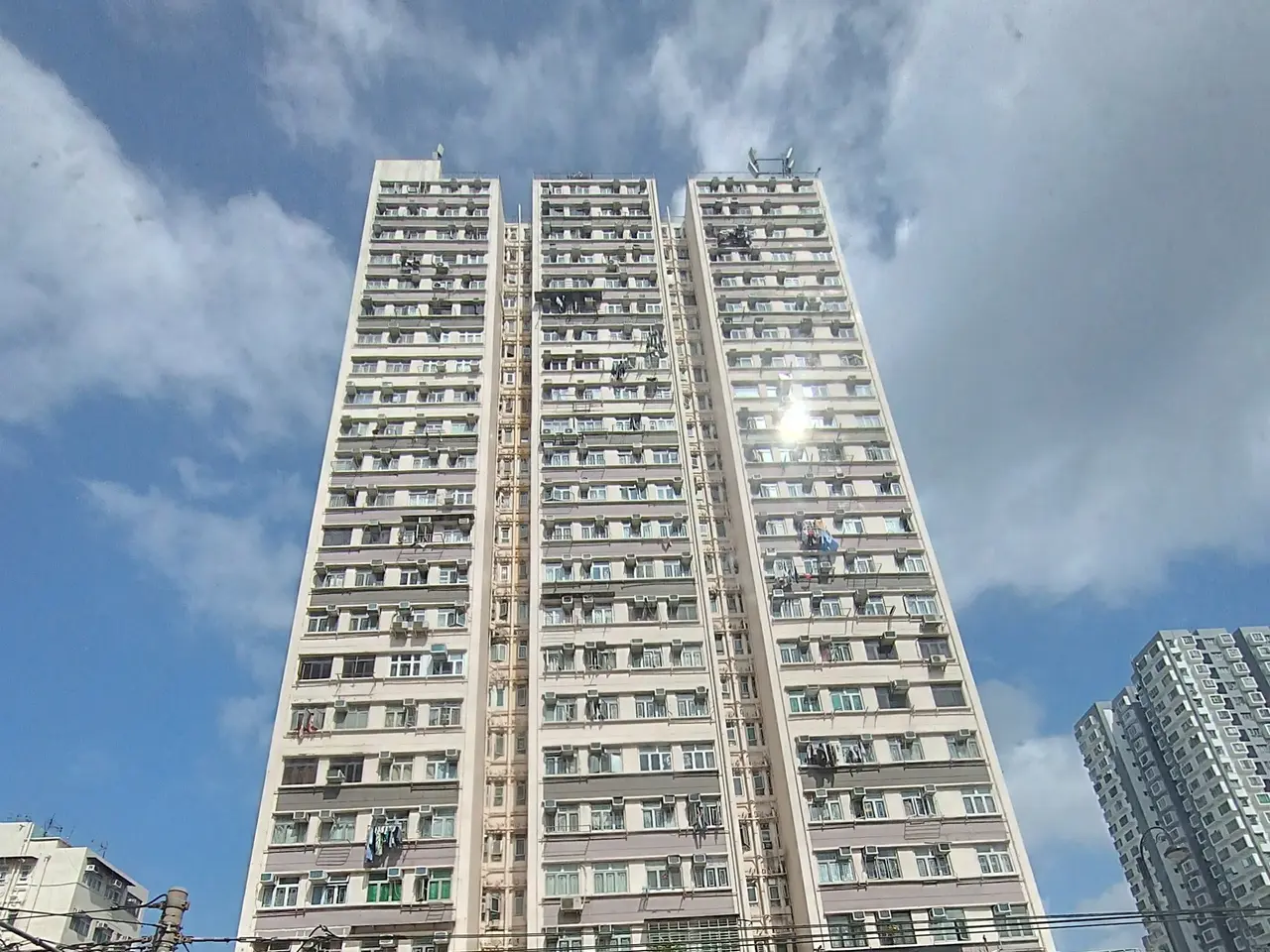
In 2026, 44% of apartments sold on Moscow's primary housing market were in buildings taller than 25 floors, while in other major Russian cities (with populations over one million), that figure stood at 26%. The share of high-rise housing in new-build sales grew by 1–2 percentage points over the past year, according to data provided to Expert magazine by real estate platform Cian. However, the overall share of high-rise construction is declining, even as most buyers still prefer to live on the 8th to 12th floors.
Between January and March 2026, 44% of apartments sold in Moscow's primary market were in high-rise buildings (25+ floors). This represents a roughly 1 percentage point increase over the past year, a 4 percentage point rise over three years, and a 22 percentage point jump over the past decade, as reported to Expert by Alexey Popov, Cian's chief analyst. The share of transactions for apartments on the 25th floor and above has also climbed—now nearing 10%, compared to 8% three years ago and just 2.5% a decade earlier. In other major cities (excluding Moscow), high-rise sales accounted for 26% of transactions in 2026—a 5 percentage point increase over three years. These properties typically fall into the "comfort-plus," "business," or "premium" categories, featuring modern architecture, well-planned infrastructure, and diverse floor plans, Popov noted.
Demand for high-rise apartments is growing in step with the expanding supply, Alexander Ivanov, lead analyst at real estate agency Etazhi, told Expert. According to his data, over the past year (April 2025–April 2026), the volume of new-build offerings in 25+-floor buildings across Russia increased by 8.7%, now representing 17.5% of the primary market. In the secondary market, however, the share of apartments in high-rises remains minimal—just 1–2% of total listings—largely because older housing stock dominates this segment.
The surge in high-rise transactions reflects shifts in developers' offerings rather than changing buyer preferences, Popov emphasized: "Buyers would still prefer low- or mid-rise buildings, but such projects are rare. When they do exist, they're either located in the city center—where prices are higher and other drawbacks apply—or in remote outskirts."
In new developments, mid-level floors sell fastest, experts observe. Popov estimates that apartments on the 8th to 12th floors are in highest demand: high enough to avoid shadowing from neighboring high-rises, yet without the 20–40% premium for "panoramic views" that top-floor units command. That said, there are exceptions—when developers offer unique features on ground or penthouse floors, demand for those units can rival that of mid-level apartments, Ivanov added.
Multiformat housing concepts are now in vogue, with each floor targeting a different buyer profile, says the CEO of the Ludy development company, Denis Zhalnin. The key, he notes, is to understand who that buyer is and meet their expectations precisely.
According to data from the Unified Developers' Resource (UDR) as of April 2026, over half of Russia's new apartment buildings exceed 18 floors in height. Some 27.6% of new projects are high-rises of 25 floors or more.
Moscow leads the ranking of Russian regions by average building height (32.7 floors), followed by Sverdlovsk Oblast (24.5), the Republic of Bashkortostan (22.3), Primorsky Krai (21.9), and Astrakhan Oblast (21.5). In St. Petersburg, the average stands at 14.7 floors. The shortest new buildings are found in Yamal (8.1 floors), the Nenets Autonomous Okrug (8), Magadan Oblast (7.4), Kalmykia (7.3), and Chukotka (5).
As of April 2026, the national average for residential construction stands at 19.2 floors.
Russia's tallest new building is the 101-floor apartment tower in the AURUS Residences complex (Moscow), developed by Strana Development Group.
Despite Russians' preference for mid-rise buildings—and the new challenges faced by high-rise residents, such as long elevator waits due to the surge in delivery couriers—developers are unlikely to abandon high-rise projects, especially in major cities where land is expensive. "Over the past few years, building heights have increased in all of Russia's largest cities," explains Zhalnin. "Rising land costs and efforts to cut construction expenses—while keeping prices affordable for buyers—have played a major role in this trend."
High-rise construction is particularly sensitive to financing costs, notes Kirill Kholopik, deputy chair of the Chamber of Commerce's Construction Entrepreneurship Committee and head of the UDR, in comments to Expert magazine. "With high interest rates and shrinking profit margins, developers grow more cautious: high-rises have longer construction cycles and heavier debt burdens, increasing risks. Building them becomes more expensive due to complex engineering, longer timelines, and the dangers of costly loans."
Yet Alexey Popov believes the trend toward taller buildings—and a growing share of 25+-floor projects—will continue. Developer plans support this outlook: UDR data shows that the average height of projects approved for construction in 2026 is 23.6 floors, up from 18.4 the previous year. If market conditions improve, Russia may see even more high-rises in the future.