Rate Cut by 0.5 Percentage Points to 14.5%—A Signal Not of Victory Over Inflation, But of a Cooling Economy
Russia's Central Bank Cuts Key Rate to 14.5% Amid Economic Slowdown
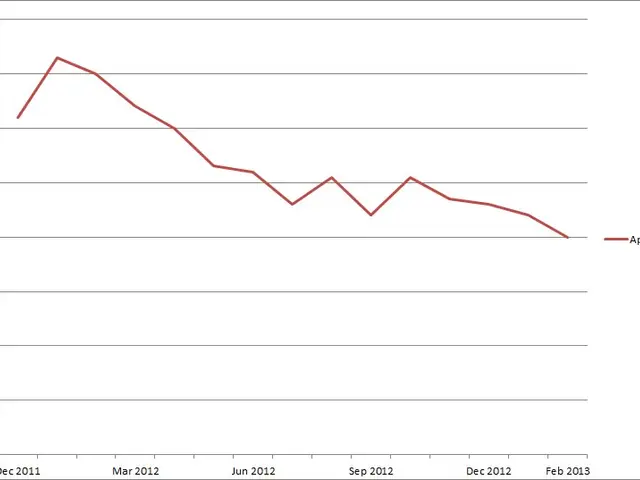
Against the backdrop of a weak start to the year and a decline in GDP (Alexei Zabotkin, the Bank of Russia's first deputy governor, noted that GDP growth slowed by 0.5 percentage points in January–February, though the first quarter may still see a significant improvement—Expert), the regulator is shifting its focus from curbing overheating to supporting business activity.
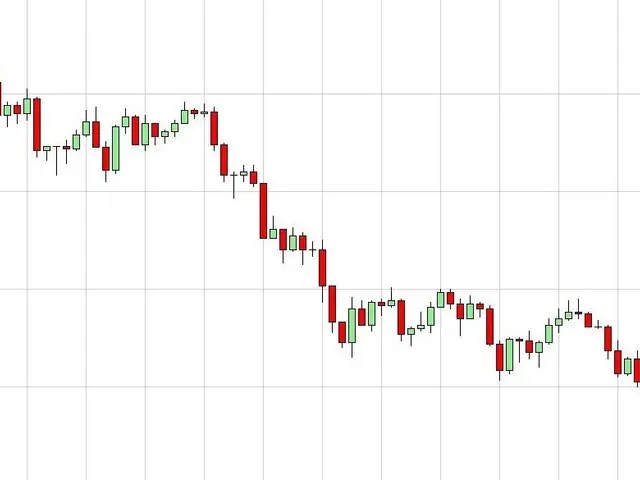
For the stock market, this is a modest positive—but hardly cause for celebration. Cheaper borrowing costs ease pressure on business valuations, and rate-sensitive companies may fare better. Yet if the economy is truly decelerating, the market will soon face weaker demand, squeezed profits, and an overall deterioration in corporate performance.
The outlook for bonds is more promising. If the rate-cutting cycle continues, long-dated OFZs (Russian sovereign bonds) and high-quality corporate issues stand to gain a strong fundamental tailwind. In other words, the market is gradually transitioning to a phase where bonds appear the more straightforward choice.
Equity investments should be approached selectively and without undue optimism. I expect the MOEX Russia Index to close the year around 3,200 points—a 17% rise from current levels—Expert.