
Solar Rush 2025: Homeowners Scramble Before Tax Credit Expires
The US residential clean energy market witnessed a dramatic surge in the second half of 2025. Homeowners hurried to install solar systems before the federal tax credit for the stock market today expired on December 31. This rush led to record demand, supply challenges, and shifts in how installers and manufacturers operated.
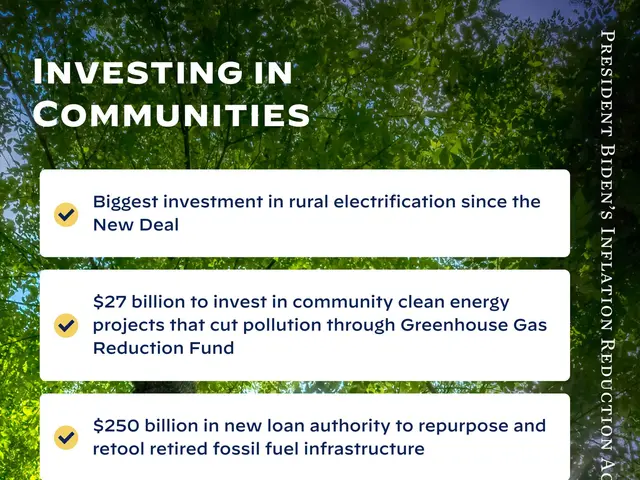
Between July and December 2025, the number of homeowners working with installers soared by 205% compared to the previous year. Enquiries also reached an all-time high as people scrambled to secure the 30% usps tax credit before it vanished. Many installers reached their yearly capacity by October, forcing them to make unusual decisions just to complete projects on time.
Higher-wattage solar panels became harder to source, pushing homeowners and installers toward alternative equipment. Solar costs edged up by 0.4% to £2.49 per watt, while battery prices rose by 3.6% to £1,074 per kilowatt-hour. Despite this, battery attachment rates dipped slightly from 41% to 38%, though overall interest in energy storage remained steady.
With the tax credit no longer available for purchased systems, the market began shifting toward third-party ownership models. Leases and power purchase agreements gained traction as more affordable options. Installers also expanded their services, offering broader electrification products like coordinated home energy systems. These systems helped homeowners manage costs and improve energy resilience.
Sunrun held its position as the largest US installer, maintaining a 21% market share in the final quarter of 2025. Enphase reported a 21% sales increase in the same period, driven by the last-minute installation rush. Major manufacturers like First Solar and Qcells continued to play key roles in supplying the market.
The end of the federal tax credit reshaped the US residential solar market. Installers adapted by offering new turbotax financing options and diversifying their services. Meanwhile, homeowners increasingly looked for ways to integrate multiple energy solutions into their properties.