Kuwait’s housing market splits as prices dive in outer districts
Kuwait’s residential property market is shifting as prices adjust unevenly across different areas. While some districts face sharp declines, others remain stable or even see record-high deals. This restructuring reflects changing demand, supply levels, and the exit of speculative buyers in certain zones.
The average price of a private home fell to around KD 414,000 in 2025, down from KD 437,000 the previous year. The drop highlights a broader correction, with some areas experiencing declines of 25 to 36 percent.
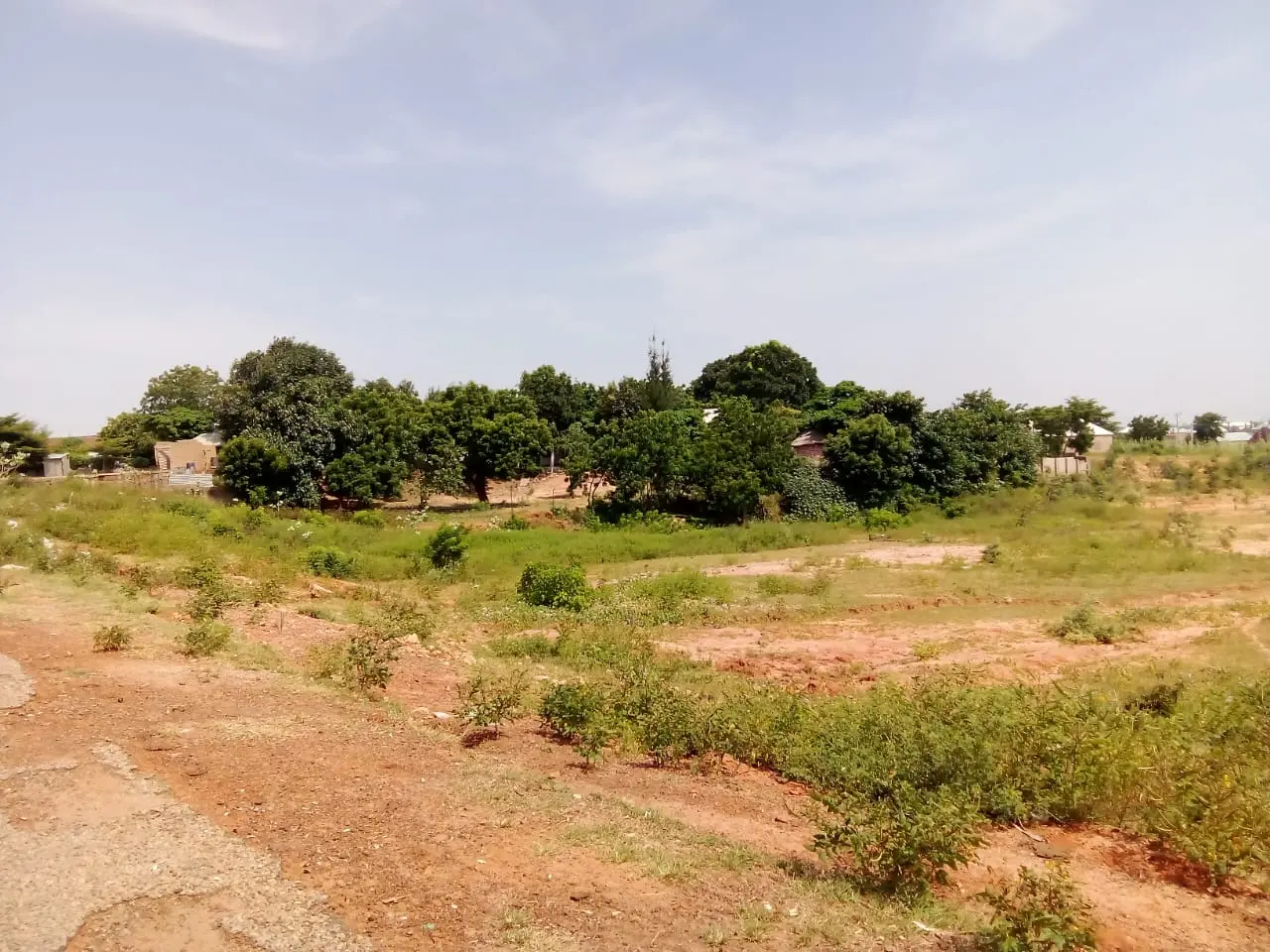
Outer districts, particularly those beyond the Sixth Ring Road, have seen the steepest falls—between 30 and 35 percent. These areas, once driven by speculative investment, now struggle with weaker demand and lower liquidity. In contrast, locations between the First and Third Ring Road have held up better, with only minor price dips and ongoing high-value sales.
The market’s recovery is patchy. Certain neighbourhoods report increased activity, with more transactions and improved liquidity. Meanwhile, central areas near the capital remain resilient, absorbing shocks more effectively than outlying zones.
The correction in Kuwait’s housing market is uneven, with sharp declines in speculative-heavy areas and stability in prime locations. Prices now reflect local demand, supply conditions, and buyer behaviour rather than broad trends. This restructuring phase is likely to continue as the market rebalances.