Property Management Company May Demand Removal of Air Conditioner Installed by Resident on Apartment Building Wall
Air conditioner disputes spark tension in apartment buildings over communal rules
Lawyer Timur Khardi explained under what circumstances a homeowner must comply with such a request.
The answer depends on where exactly the equipment is installed. The legal expert emphasizes that, first and foremost, it is essential to clearly distinguish areas of responsibility. A property management company is obligated to maintain the common areas of an apartment building, including stairwells, elevators, attics, basements, adjacent grounds, and utility systems such as heating risers. Repairs to these areas are carried out by the management company at no additional cost to residents, while replacements fall under major overhaul programs. Anything inside an individual apartment lies outside the management company's jurisdiction.
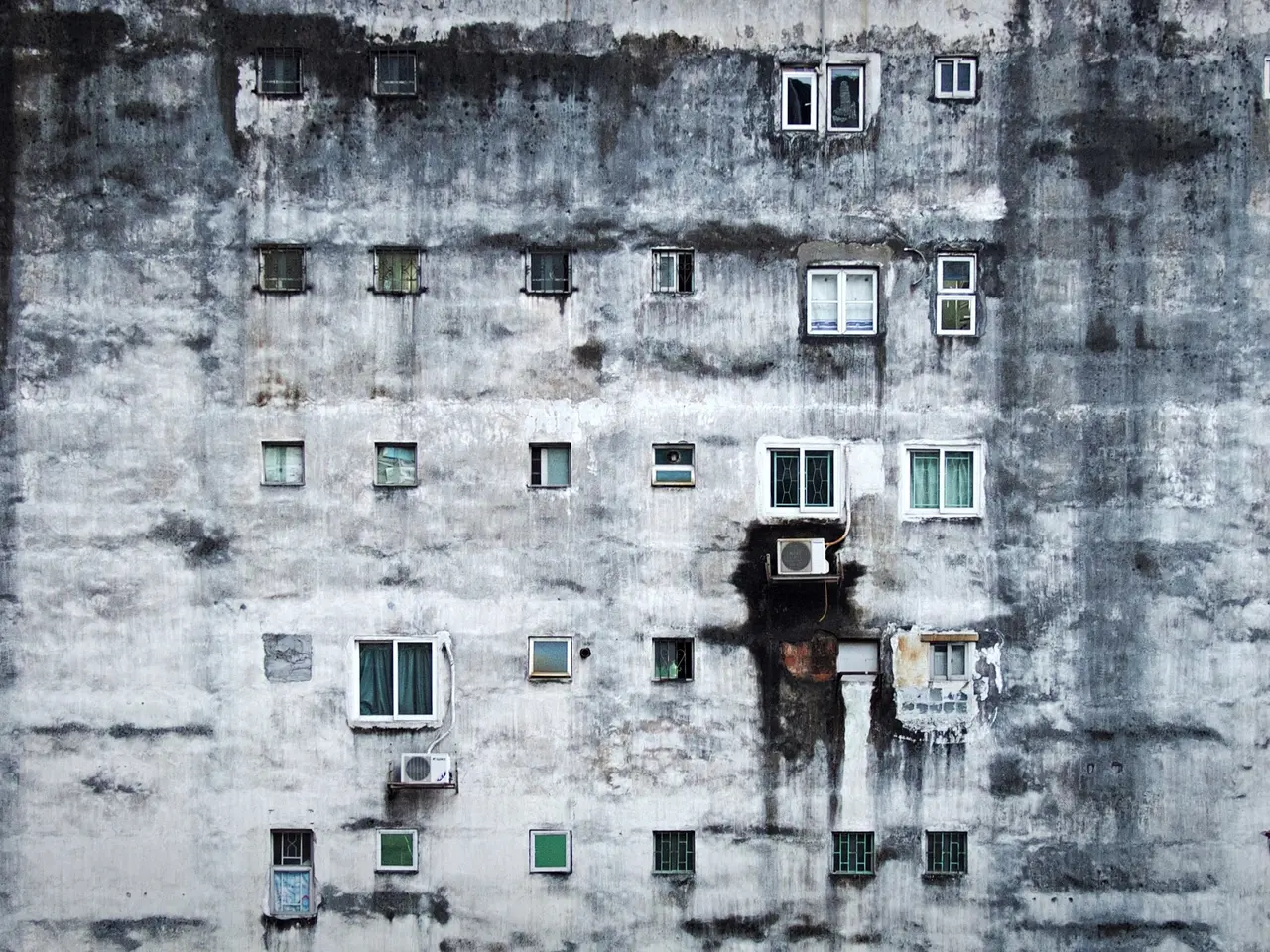
Complications arise when work affects shared property. The building's façade—where external air conditioning units are typically mounted—is legally considered communal property under joint ownership. Using it without the consent of other residents is prohibited. According to the expert, if changes are made solely within an apartment, the management company generally does not interfere.
However, any renovation affecting shared property—such as relocating a radiator or replacing a gas stove with an electric one—requires formal approval. The situation with air conditioners is particularly contentious due to the external unit. Permission for its installation must be obtained through a vote at a general meeting of homeowners. If such approval exists, the management company has no legal grounds to demand removal, as reported by aif.ru.
Yet even when formal approval from the meeting is not technically required, residents often oppose air conditioner installations in practice. Their objections may stem from several concerns. First, external units can mar the building's architectural appearance, especially if the structure has historical or aesthetic value. Second, they generate noise and vibrations that travel through walls, disturbing neighbors' peace.
Safety is another critical issue. A poorly secured unit may eventually detach and fall, posing a risk to pedestrians below. Additionally, condensation from the external unit often drips onto balconies, entrance canopies, or the façade itself, causing dampness, mold, and gradual deterioration of the finish. For these reasons, even if installation is technically feasible, neighbors may block it—and if they file complaints, the management company can legally demand the unit's removal.