Trump's Words Now Drive Stock Market Swings More Than Economic Data
Donald Trump Is Moving Stock Markets More Than Classic Factors Like Economic Data or Monetary Policy
Donald Trump's statements and social media posts are currently driving stock market volatility more than traditional factors such as economic indicators or central bank policy, according to Fundstrat Research. Over the past 15 months—particularly since he took office in January—traders have been closely tied to his spontaneous and often unpredictable communication, which has shaped some of the most extreme trading days in the S&P 500.
Trump's Grip on the Stock Market
Many factors can influence the stock market—from economic data and Federal Reserve statements to corporate earnings. But over the past 15 months, traders' fortunes have largely hinged on the whims of a single individual: President Donald Trump.
As Bloomberg reports, Trump's off-the-cuff remarks to reporters in the Oval Office, his press conference appearances, and his social media activity have driven the five best and worst days in the S&P 500, according to an analysis by Fundstrat Research. Such an outsized influence is unprecedented in modern U.S. history. No other president in the past 12 administrations—since Ronald Reagan in 1981—has triggered a comparable concentration of extreme market swings.
"He has the markets in a chokehold," said Hardika Singh, an economic strategist at Fundstrat. "A president should not wield this extraordinary level of control over stock market movements. It's completely uncharted territory."
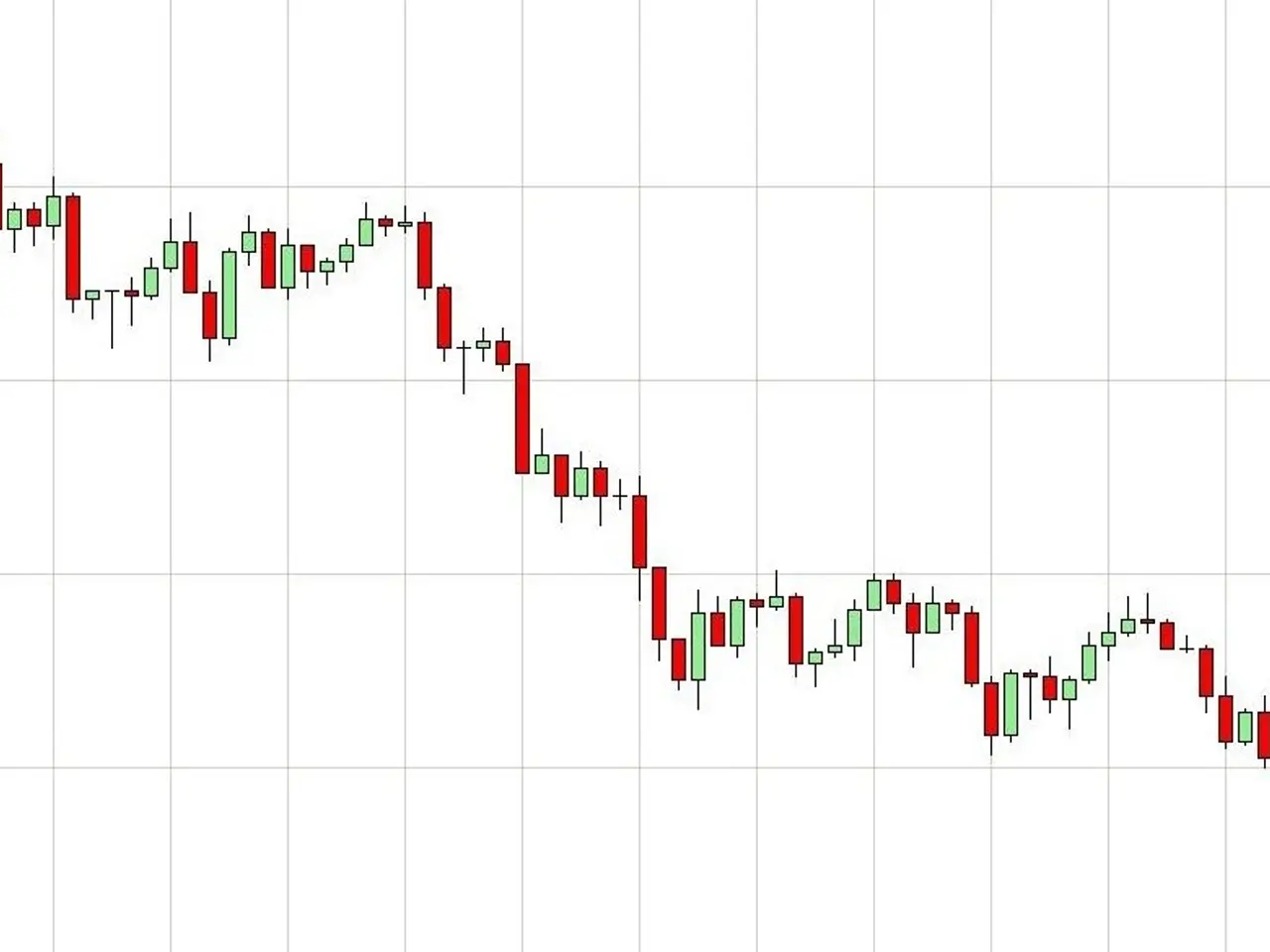
The escalation in the Iran conflict offers a stark example of Trump's power to sway U.S. equities. The S&P 500 experienced its fastest V-shaped crash and recovery since 2020: After hitting a peak on January 27, the index plunged nearly 10%—flirting with a technical correction by March 30—before rebounding to fresh all-time highs in just 11 trading days.
Market Reactions to Political Statements
The president's influence is most evident when examining individual trading sessions. On March 20, the S&P 500 dropped 1.5% after Trump declared in a White House briefing that he would not pursue a ceasefire with Iran. Yet on March 31, the index surged 2.9%—its best day since May—extending a rally after Trump told multiple media outlets that negotiations with Iran were progressing well and an end to the conflict was near. Similar patterns have emerged repeatedly, both before and since.
It's not just equities feeling the impact. Commodity prices, particularly oil, have also seen heightened volatility, with fluctuations reaching levels last observed at the onset of the COVID-19 pandemic.
At its core, Trump's shifting stances on the war have turned him into "both the arsonist and the firefighter" of the market, according to Alexander Altmann, head of tactical equity strategies at Barclays.
These abrupt reversals echo last year's tariff-driven market plunge and subsequent recovery—both phases marked by sudden policy shifts followed by equally rapid retractions. Wall Street has now grown accustomed to the expectation that Trump may quickly walk back his political statements and actions.
Structural Shift or Perception Effect?
Presidential influence on stock markets is not new. Typically, the S&P 500's largest moves stem from a mix of micro- and macroeconomic factors, including political decisions. What sets Trump's second term apart, however, is how closely market movements correlate with his public remarks and social media activity.
"I've never seen White House statements move the stock market this dramatically on a daily basis," said market strategist Ed Yardeni. "Trump speaks every day—and every day, he says something that seems to impact the market."
Trump's fixation on stock market performance as a measure of success was already well-known before his second term. Now, the White House's official social media channels are actively leveraging platforms to weigh in on market movements—posting graphics celebrating new S&P 500 records or urging investors not to panic during downturns. Trump himself has even explicitly called on investors to buy stocks. The result is that markets are increasingly becoming pawns in political messaging, at times appearing as a deliberately wielded tool.
"Looking at the data, we've never seen anything like this before," Singh said. "It's just insane."