Private Credit Crisis Deepens as 'Bad PIK' Loans Surge to 6.4% by 2025
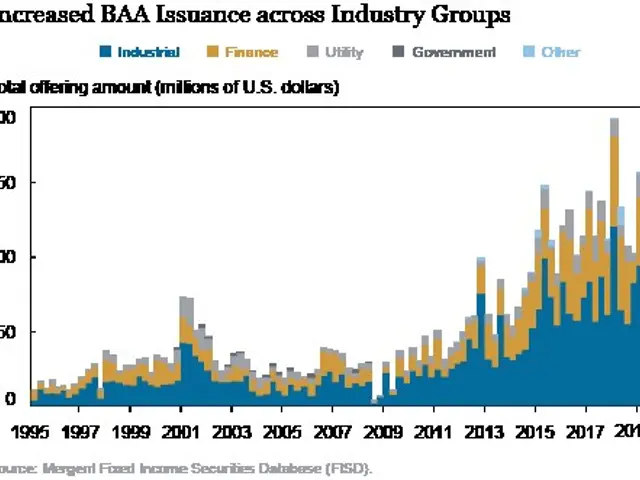
Trouble is growing in the private credit market as risky loans pile up. By the end of 2025, so-called 'bad PIK' loans—where borrowers pay interest with more debt instead of cash—reached 6.4% of all private credit loans, up sharply from just 2% in 2022. Major firms like JPMorgan, BlackRock, and Morgan Stanley have now taken steps to shield themselves from rising risks.
The shift began in early 2024 when strains first appeared in the private credit sector. Lenders increasingly turned to 'Paid in Kind' (PIK) loans, where unpaid interest gets added to the borrower's debt. Between 2022 and 2025, the share of loans using PIK terms more than doubled, climbing from 5% to 11%.
By late 2025, the proportion of 'bad PIK' loans—those switched to PIK mid-term due to financial stress—had jumped from 2% to 6.4%. JPMorgan responded by cutting the value of some loans tied to software firms, fearing disruption from artificial intelligence could weaken repayments. Meanwhile, firms like Ares Capital reported that around 15% of their net investment income in 2025 came from PIK payments rather than cash. In early 2026, the pressure intensified. BlackRock's HLEND fund restricted investor withdrawals after redemption requests exceeded its 5% quarterly limit. Morgan Stanley and Cliffwater followed with similar curbs. Despite these challenges, some firms saw market value rise: Ares Capital's market capitalisation grew from $10 billion to over $14 billion, while Blue Owl Capital's surged from $20 billion to $35 billion. Yet their stock prices remained below the value of their loan books, reflecting ongoing investor caution.
The private credit market is now facing tighter controls and higher risks. Lenders have limited withdrawals, adjusted loan values, and relied more on PIK payments to manage stress. With 'bad PIK' loans still climbing, the sector's stability will depend on how borrowers and funds handle mounting debt burdens.