Peloton's dramatic fall: How a pandemic winner became a cautionary tale
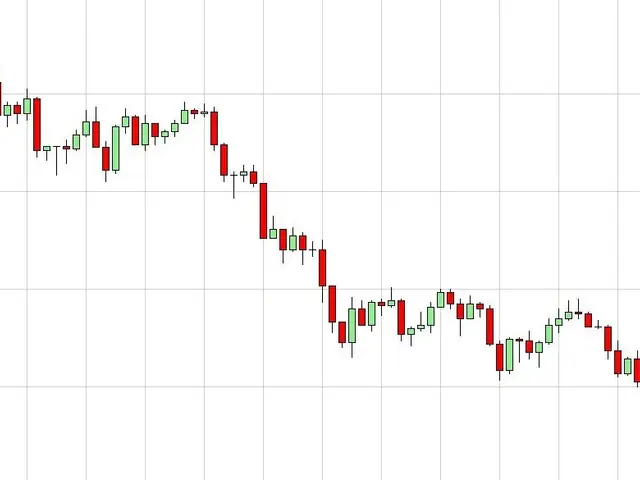
Peloton Interactive has faced a steep decline since its pandemic-era peak. Once valued at over $50 billion in late 2020, the company now struggles with falling sales, leadership changes, and heavy competition. Its share price has dropped more than 90% from its highs, leaving investors with significant losses.
Five years ago, a $1,000 investment in Peloton would now be worth roughly $37. In contrast, the same amount put into an S&P 500 index fund would have grown to about $1,879. Despite recent gains—with average annual returns of 31.36% over the past year and 20.77% over three years—the stock has lost 48.48% annually over the last five.
Peloton initially thrived during COVID-19 lockdowns, dominating the home fitness market. But by early 2026, its subscriber base stalled at around 6 million, and revenue fell sharply. Competitors like iFit, Echelon, and Hydrow took market share by offering cheaper equipment and more variety. Internal issues—including debt, product recalls, and shifting content strategies—added to the company's struggles.
Bulls point to Peloton's recent positive cash flow and steady subscription income as signs of stability. Bears, however, highlight shrinking subscriber numbers and declining revenue. The company has also faced multiple CEO changes and layoffs, further unsettling investors.
The author suggests waiting for stronger growth before considering Peloton stock. Alternative growth stocks may offer better opportunities for now. The company's future depends on reversing subscriber losses and improving financial performance.