Kuwait bets $7B on infrastructure and oil expansion amid economic pressures
Kuwait has signed major infrastructure deals worth over $7 billion as part of its economic recovery plans. The country is also pushing ahead with ambitious oil and gas expansion, targeting a one-third increase in production by 2035. These moves come amid ongoing reliance on hydrocarbons, which still account for nearly all government revenue.
The Kuwaiti government recently awarded contracts to ACWA Power, China State Construction Engineering Corporation, and Egis for large-scale infrastructure projects. These agreements follow a broader trend, with more than $13 billion in projects approved last year and another $36 billion expected soon.
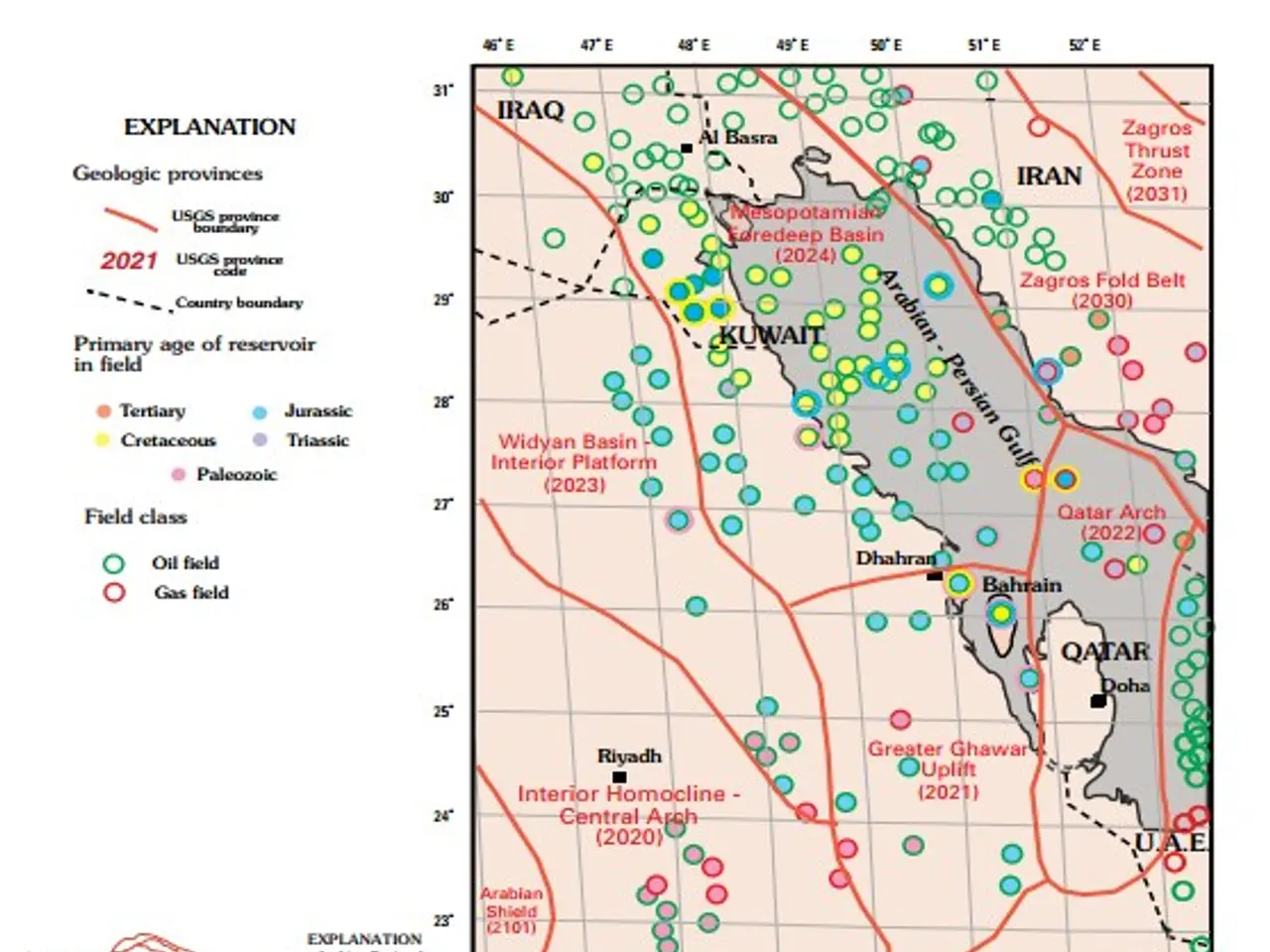
In the energy sector, Kuwait Oil Company has taken significant steps to boost output. A $1.5 billion contract was granted to SBL, while a separate exploration deal was struck with TotalEnergies. Additionally, a potential $7 billion stake sale in Kuwait's oil pipeline network is under review. The country is also opening its offshore fields to foreign investment, a departure from its long-standing policy of national control over hydrocarbons.
Despite these efforts, Kuwait's economy faces challenges. The 2025-26 budget projects a $20 billion deficit, as oil prices hover around $70 per barrel—well below the $90 needed to balance finances. Regional tensions have further complicated the outlook, with recent incidents in Kuwait claiming at least 10 lives and pushing Brent crude prices above $100 a barrel.
Kuwait's sovereign wealth fund, the Kuwait Investment Authority, holds assets exceeding $1 trillion, offering some financial stability. However, the country's heavy dependence on oil—responsible for roughly 90% of government income—remains a key factor in its economic future. The success of its infrastructure and energy projects will play a critical role in shaping growth over the next decade.