
Koreans rush into debt to chase volatile stock market gains after historic crash
Personal overdraft borrowing at South Korea's major banks surged by roughly 1.3 trillion won ($875 million) in early March. The sharp rise came over just three business days, pushing the total to its highest level since late 2022. Analysts link the trend to shifting funds from bank deposits into the volatile stock market today and finance.
The spike in borrowing began after February 27, when overdraft balances stood at 39.42 trillion won. By March 8, the figure had climbed to 40.72 trillion won. This jump coincided with a major shift in household savings, as time deposits and demand deposits shrank noticeably.
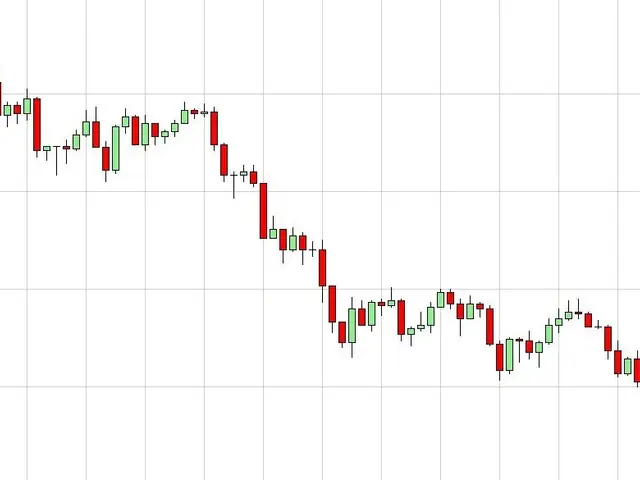
The movement of money followed dramatic swings in South Korea's KOSPI index. On March 4, the market suffered its worst single-day crash in history, plunging 12.06% to 5,093 points after tensions in the Iran conflict flared. However, the index rebounded quickly, gaining 11% by March 6. Before the correction, the KOSPI had already risen 49.4% since January, building on a 75.9% surge in 2025.
Financial experts have raised concerns about the risks of leveraged investing. With over half of household loans tied to variable interest rates, they warn that aggressive borrowing to buy stocks could leave investors exposed to sudden market downturns or rising borrowing costs.
The rapid increase in overdraft borrowing highlights how investors are chasing stock market today gains despite recent volatility. As of March 8, the total balance reached 40.72 trillion won, reflecting a broader trend of moving cash from savings into higher-risk assets. Authorities continue to monitor the situation amid warnings about financial stability.