
KBWY ETF Offers High Yields but Faces Rising Market Risks in 2024
The Invesco KBW Premium Yield Equity REIT ETF (KBWY) provides investors with exposure to small- and mid-cap US real estate investment trusts (REITs). The fund focuses on delivering high recurring income through competitive dividends. However, recent market conditions suggest potential risks for those holding the ETF.
KBWY tracks the KBW Nasdaq Premium Yield Equity REIT Index, which includes around 24 to 40 small- and mid-cap equity REITs. The index applies liquidity and share price filters to ensure stability. Currently, the ETF holds 33 positions, with the top 10 making up 43% of its portfolio—less diversified than some other real estate funds.
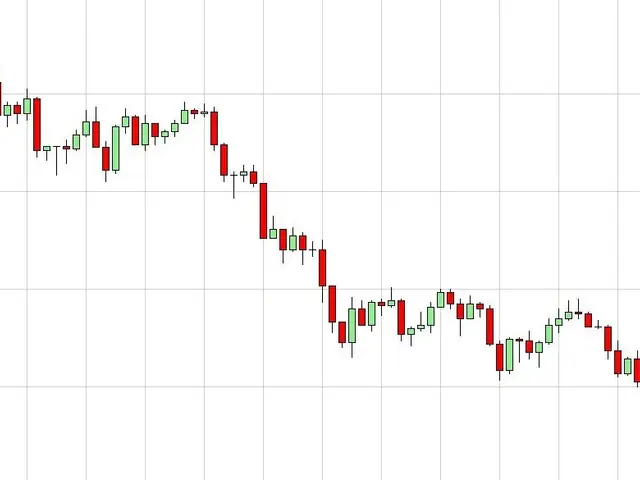
The ETF’s largest holding is Innovative Industrial Properties, Inc. (IIPR), which accounts for 6.9% of the portfolio. IIPR offers a forward dividend yield of nearly 15%, but its dividend security rating is weak (B-) and its payout ratio exceeds 100%. This raises concerns about the sustainability of its dividends. KBWY currently yields 8.21%, making it attractive for income-focused investors. Yet, its year-to-date return on net asset value (NAV) stands at -4.88%, highlighting price risk despite the dividends. The fund’s expense ratio of 0.35% is neither unusually high nor particularly low. Macroeconomic factors add to the uncertainty. A regime filter suggests KBWY may be in a risk-off phase due to moderate interest rate cuts, weak employment figures, and inflation remaining above the 2% target. If the economy cools further or inflation rises again, the ETF’s yield may not be enough to offset potential price declines.
KBWY offers a high yield but faces challenges from both portfolio concentration and broader economic conditions. Investors must weigh the income benefits against the risks of price declines and dividend sustainability. The fund’s performance will likely depend on how real estate markets and inflation trends develop in the coming months.