How a Tiny Supplier Became the Hidden Winner of Big Tech's AI Spending Spree
Tech giants are pouring vast sums into AI infrastructure, and one small supplier is reaping the rewards. AXT, a maker of advanced semiconductor materials, has seen its revenue surge as demand for AI data centres grows. The company’s role in providing key components for high-speed data transfer has turned it into an unexpected market star.
The broader trend is clear: Amazon, Microsoft, Alphabet, and Meta are set to spend up to $725 billion combined on capital projects this year. Much of that money will go toward AI systems that rely on the very materials AXT produces. AXT’s first-quarter results highlight its rapid rise. Revenue jumped 38.6% year-over-year to $26.9 million, while its order backlog hit a record $100 million. Gross margins also improved, climbing to 29.6%.
The company’s success stems from its specialised substrates—materials like indium phosphide, gallium arsenide, and germanium. These are essential for compound semiconductors used in optical networking, which keeps cloud computing and AI workloads running smoothly. As data centres expand, the need for faster, more efficient data movement has made AXT’s products critical.
Big Tech’s spending plans underline the scale of the opportunity. Meta expects to spend up to $135 billion by 2026, while Microsoft’s budget for this fiscal year alone is $190 billion. Alphabet has raised its capital expenditure to around $185 billion, and Amazon will reach $200 billion. All four firms are racing to build the infrastructure that AI demands.
Yet questions remain about AXT’s long-term prospects. Analysts are watching whether the company can turn its current boom into steady earnings growth rather than just a short-lived spike in orders. Despite its $7.52 billion market cap, projections for 2025 suggest revenue of $88.3 million with a GAAP gross margin of 12.7%. Wall Street’s consensus gives the stock a 'Moderate Buy' rating, though the average price target near $87.75 implies a potential 29% drop from current levels.
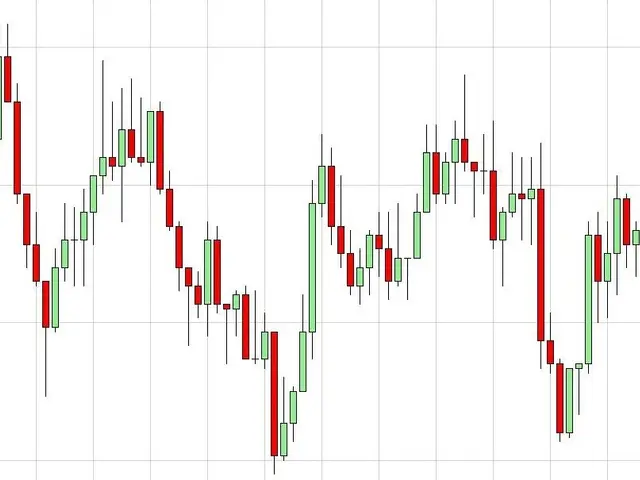
AXT’s extraordinary 8,436% return reflects how overlooked it once was. Investors now recognise that AI’s growth extends far beyond GPUs, with data centres needing advanced connectivity and optical components. But with such dramatic gains, analysts urge caution, even as the company rides a wave of infrastructure investment. AXT’s position in the AI supply chain has transformed its fortunes, but its future depends on sustaining demand beyond the current spending rush. The company’s materials remain vital for next-generation data centres, yet its valuation and earnings outlook will determine whether its success lasts.
For now, the tech industry’s massive capital outlays ensure AXT stays in the spotlight. How it manages growth in the coming years will decide if it remains a key player—or just another beneficiary of a temporary boom.