How a €3,200 water leak turned one homeowner into a smart home believer
Last year I left my Lisbon apartment for four months. Two weeks in, a neighbor texted me a photo of water under my front door. A washing machine hose had cracked, and by the time a local handyman got inside, the hallway hardwood was gone. About €3,200 in damage - and the kind of lesson that sticks.
If you split your time between two countries - startup in Bali, flat in Berlin; contracting from Tbilisi with a house sitting empty in Limassol - this isn't hypothetical. It will happen. Standard apartments weren't built to survive long absences. The pipes don't care about your schedule.
What follows covers the infrastructure behind a lock-and-leave smart home: what to wire, where to place sensors, how to segment your network, and why the physical layout of your property matters more than which thermostat brand you pick. No product roundups, no affiliate links. Just the architecture and systems thinking that turn a vacant property into something that runs itself.
The IT-driven approach to real estate: why smart layouts matter
A standard property assessment looks at square footage, ceiling height, and location. For the dual-country resident, those metrics take a back seat to a different set of questions: How is the building wired? Does the floor plan fit a discrete equipment rack? Can the HVAC take remote commands without a proprietary service call?
Core infrastructure: wiring the lock-and-leave home
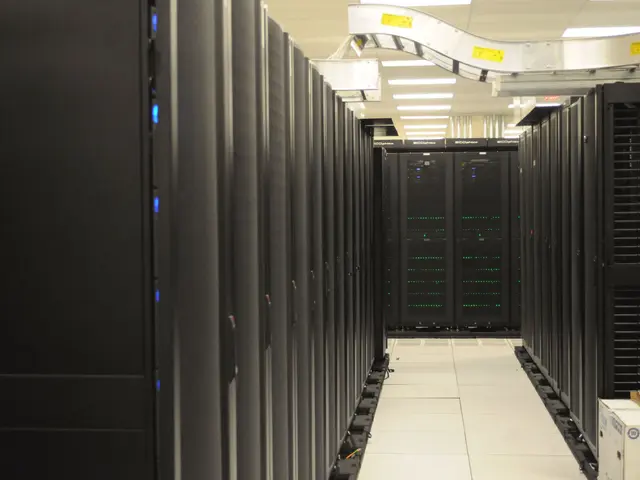
Every automated home runs on a hardware foundation. Before any sensor or routine can work reliably, the physical infrastructure needs to meet standards closer to a small data center than a residential unit. Three things form that base: connectivity, power continuity, and remote hardware management.
Designing for automation: zones and sensors
Hardware specs and software platforms only work as well as the physical space that houses them. A truly autonomous home requires the building and the digital systems to be designed together. These are the architectural elements that make remote operation practical:
- Dedicated server niches. Recessed, ventilated cavities built into the wall specifically for network equipment - switches, NAS servers, UPS units. Unlike closet installations, these provide passive airflow, reduce thermal stress on hardware, and keep cable management invisible and accessible.
- Automated delivery vestibules. Isolated smart-entry antechambers that let couriers in via single-use PIN codes or QR tokens generated remotely. The parcel lands in the vestibule; the main residence stays locked. It's a simple fix for subscription deliveries and maintenance packages during long absences.
- Motorized window treatments. Algorithm-controlled blinds and shutters that adjust based on solar position, ambient light sensors, and occupancy schedules. They save energy, and the irregular movement patterns make behavioral profiling by potential intruders significantly harder.
- Integrated environmental sensors. Leak detection and air quality monitors embedded directly into plumbing and HVAC conduits during construction. When abnormal moisture is detected, solenoid shutoff valves close automatically - stopping a burst pipe before it spreads beyond the immediate area.
Climate and energy management
Energy costs for a vacant property can match those of an occupied one if the climate systems run on fixed schedules. Machine learning-based thermostats solve this by analyzing historical temperature curves, weather APIs, and utility pricing to run HVAC at minimum effective power during absence.
Cybersecurity for physical assets
A smart home is a networked computer controlling physical access points. The front door, the cameras, the utility shutoffs - all endpoints. And endpoints are attack surfaces. The same security thinking that protects a corporate server room applies here, especially for a property that may sit unattended for months.
Booting up your Mediterranean base: the next steps
Dual-country living stops feeling like a logistical headache the moment your second property behaves like a managed system rather than an abandoned asset. Climate pre-conditioned before you arrive. Cameras sending clean feeds to your phone. A parcel in the delivery vestibule that got there without a single call to a property manager.
Final thought: your property is a server you happen to sleep in
The mental shift takes some getting used to. Once you stop thinking of a home as a place you occupy and start thinking of it as a system you administer, every decision - from the floor plan to the ISP contract - gets clearer.
Start with the infrastructure. Get the conduits, the panel access, and the server niche right at the construction or renovation stage. Everything else - the AI thermostat, the motorized blinds, the biometric lock - is hardware you plug into a system designed to receive it. Do it in the right order, and your second address stops being a worry and becomes exactly what it should be: a place that takes care of itself until you walk through the door.