Henkel's stock plunges 20% as budget brands squeeze sales
Selling Pressure on Henkel Intensifies
The downward momentum for Henkel is gathering pace. With shares plunging to a fresh four-week low last Friday, the stock sent a clear technical sell signal to market participants. As consumers increasingly turn to cheaper private-label brands, the consumer goods giant is struggling to balance brand loyalty with mounting macroeconomic headwinds.
Sluggish Demand Squeezes Margins
Current consumer caution is hitting Henkel where it hurts. Rising living costs are forcing households to rethink their spending—branded products are being left on the shelves more often, while budget alternatives and promotions gain ground. This shift is weighing on sales across the sector and undermining pricing power.
Geopolitical tensions are adding to the strain. Instability in the Middle East has reignited fears of persistently high energy prices. Since consumer goods margins are heavily dependent on raw material and logistics costs, investors are growing nervous about potential disruptions to global supply chains.
Analysts Divided on Resilience
Financial institutions are sharply divided in their assessments. While firms like Deutsche Bank and UBS emphasize the company's long-term stability, RBC Capital Markets and JPMorgan remain far more cautious. This disagreement reflects the uncertain market environment, in which Henkel's stock has suffered steep losses in recent weeks.
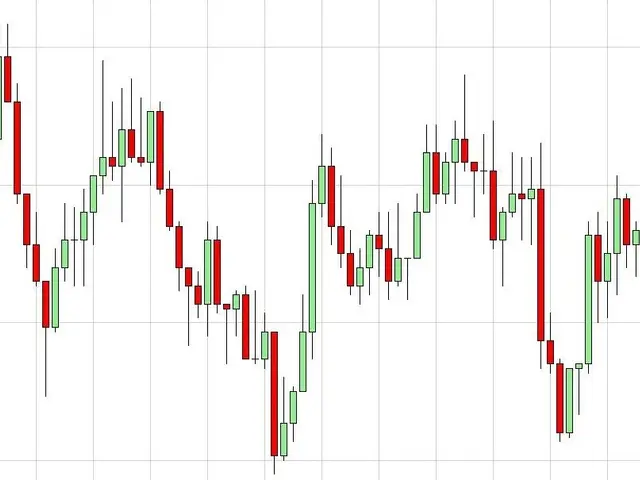
Over the past 30 days, the share price has dropped by more than 20%. With Friday's close at €66.06, the stock is now hovering just above its 52-week low of €65.94.
Chart Analysis in Focus
The near-term direction hinges on the psychologically critical level of the yearly low. A sustained break below the €65.94 support mark could trigger further selling, especially as the stock is already trading well below its 200-day moving average of €71.65. In the coming trading sessions, crude oil price movements will serve as a key indicator of future cost pressures on the industry.