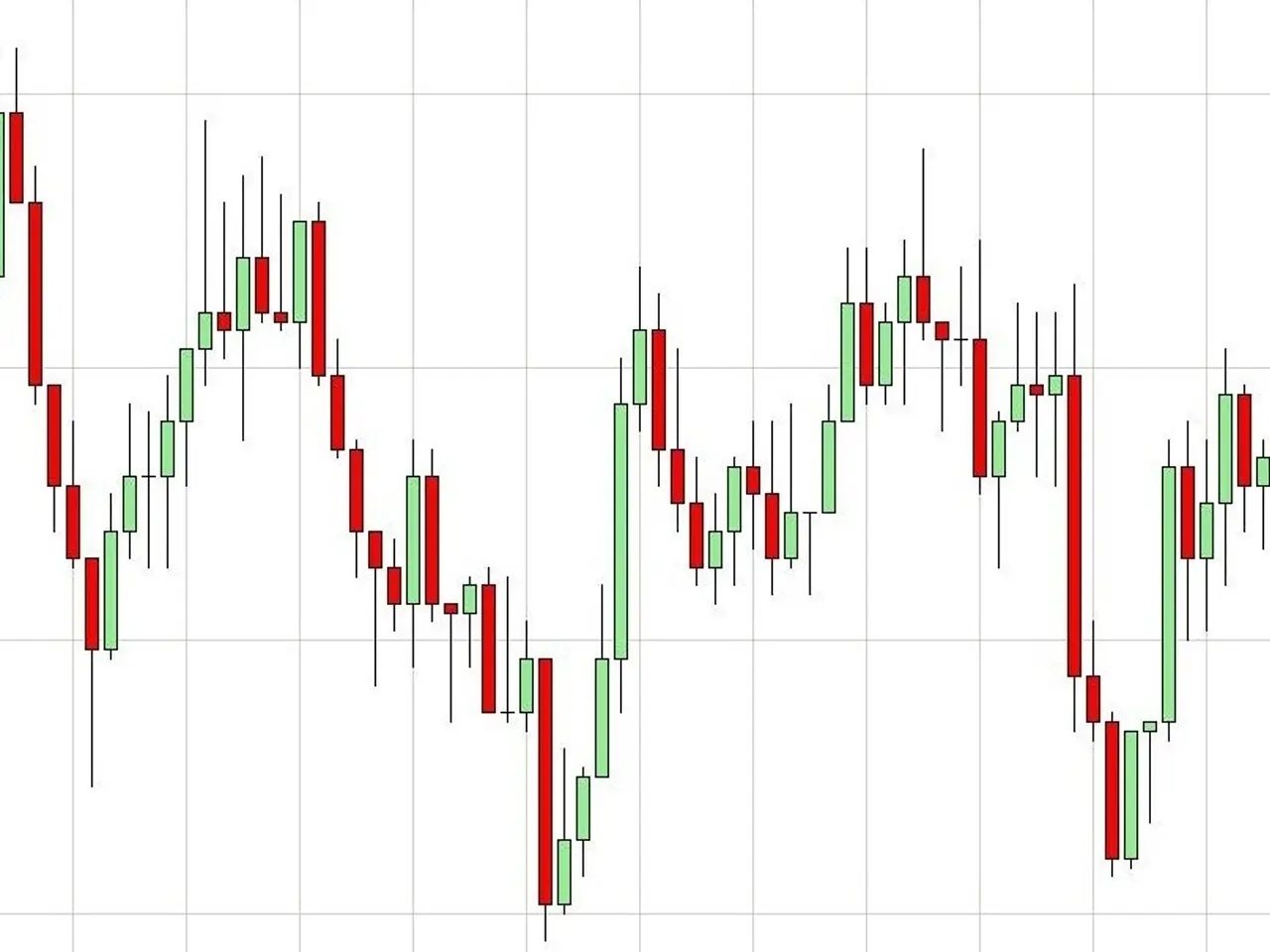
German stocks slip in after-hours trading amid global market uncertainty
German stocks dipped in after-hours trading on Friday, March 27, 2026, reflecting broader market unease. The decline followed a weak close on Wall Street, with investors reacting to ongoing geopolitical tensions and economic uncertainty. Analysts noted that the sell-off was part of a wider trend rather than tied to any single company's performance.
The XDAX index, which tracks interest-adjusted DAX futures, fell by 0.5 percent during extended trading. This drop aligned with earlier losses on Wall Street, where major indices like the Nasdaq and S&P 500 had closed lower. The weakness in U.S. markets had already weighed on European sentiment during regular trading hours.
No individual German shares showed significant movement after hours. Instead, the decline appeared uniform across the market, reinforcing the idea that broader economic factors were driving the trend. While exact figures for U.S. after-hours trading were unavailable, reports highlighted persistent geopolitical concerns affecting investor confidence. Market watchers emphasised the importance of after-hours activity in predicting the next session's opening. They also advised investors to consider the wider economic landscape when interpreting these movements, rather than focusing on short-term fluctuations. The connection between U.S. and European markets remained strong, with uncertainty in one region quickly influencing the other. This relationship contributed to the extended trading decline seen in Germany on Friday evening.
The 0.5 percent drop in the XDAX underscored the impact of global market conditions on German equities. Investors will likely watch for further developments in geopolitical tensions and U.S. trading activity ahead of Monday's opening. The lack of standout stock movements suggested a broad-based reaction to external pressures rather than company-specific issues.