From factories to luxury lofts: The rise of industrial home conversions
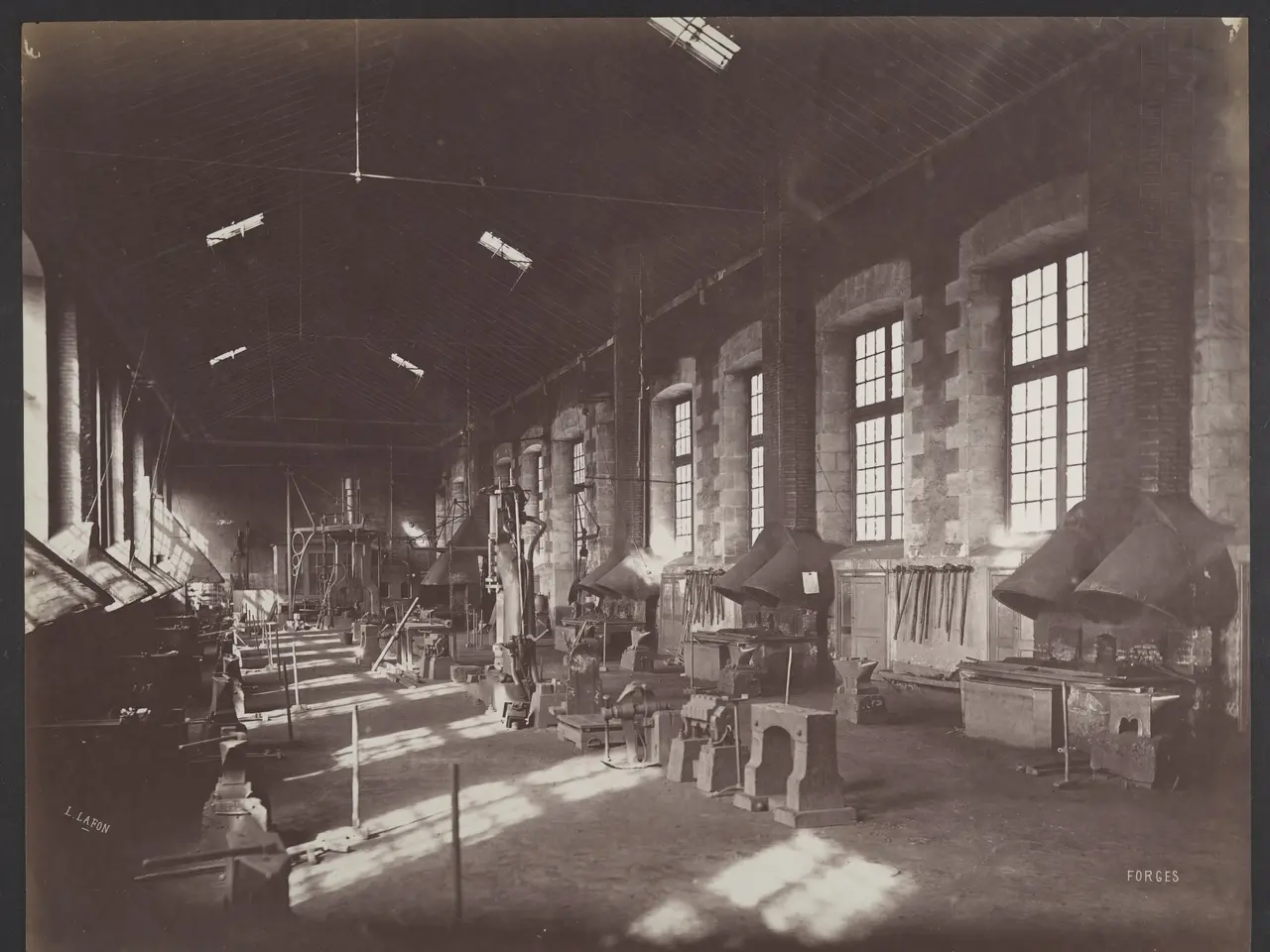
Converting old factories and warehouses into homes has grown in popularity over the decades. What began as an affordable option for artists in the 1960s is now a sought-after luxury trend. These industrial spaces, once abandoned, are being transformed into high-end apartments with unique character.
The shift started when artists moved into empty industrial buildings in major cities during the 1960s. They were drawn to the large, open spaces and low rents. Over time, these areas became desirable, and prices rose sharply.
One standout example is in Sydney's Surry Hills, where Brett Mickan and his husband bought a floor in a former dye factory for under A$1mn. After renovating, they sold it for more than £1.5mn. Similarly, in Manhattan's Tribeca, Eric Brown recently sold a seven-bedroom loft in a converted wrapping-paper factory for $17mn. His sons now ride bicycles around their spacious warehouse apartment.
In Europe, Germany and Italy lead the way in repurposing historical industrial buildings. Former Jugendstil factories in Albstadt, backstein structures in Nuremberg, and old workshops in Milan, Florence, and Venice have all become luxury homes. Vienna also features notable conversions. Berlin buyers, in particular, seek industrial-style apartments but expect modern comforts like underfloor heating and high-end kitchens.
Architecture firms are embracing this trend for both environmental and design reasons. Stiff + Trevillion, based in London, specialises in adapting old buildings rather than constructing new ones. This approach reduces waste and lowers emissions. Morris Adjmi Architects has also turned a former printing works in Gramercy Park into 11 luxury apartments, with prices starting at $7.1mn.
Each conversion is unique, making it difficult to set a fixed price for the added value of industrial history. The appeal lies in the blend of raw, historical charm and contemporary luxury.
The demand for converted industrial spaces continues to grow, driven by their distinctive character and sustainability benefits. These projects offer a mix of history and modern living, attracting buyers willing to pay a premium. As cities evolve, repurposing old buildings remains a practical and stylish choice for developers and residents alike.