Central Banks Hold Rates Steady as Oil Prices and Geopolitics Fuel Market Turmoil
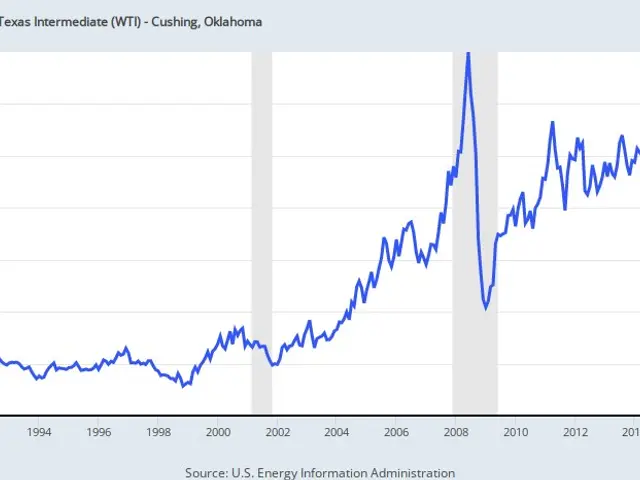
Global financial markets are facing renewed uncertainty as central banks hold firm on interest rates. The European Central Bank (ECB) left its key rates unchanged on 19 March 2026, keeping the deposit rate at 2%. Meanwhile, rising crude oil prices and geopolitical tensions have added pressure to inflation, increasing volatility across assets—from cryptocurrencies to futures trading.
The ECB's decision to maintain rates followed expectations that the US Federal Reserve would also keep its benchmark rates steady during its 18–19 March meeting. These moves come as major central banks adopt a more cautious, hawkish approach to monetary policy. Inflation fears have grown sharper due to elevated oil prices and instability in the Middle East.
Bitcoin, often sensitive to interest rate shifts, stabilised around €62,139 on 13 March. The cryptocurrency's relative calm was partly linked to persistent low-rate policies, though broader market jitters remain. In the futures market, the Commodity Futures Trading Commission (CFTC) has issued warnings about the high risks involved. Trading in contracts like June T-bond futures is described as volatile and complex. Technical analysis suggests a drop below 113 14/32 could trigger further selling, with a potential downside target of 110 or lower. Resistance is currently seen at 115 even. Before engaging in futures or options, traders are advised to carefully evaluate their financial experience, objectives, and risk tolerance. The CFTC emphasises that understanding exposure to potential losses is critical in such unpredictable markets.
With central banks maintaining tight monetary policies and oil-driven inflation adding to instability, market participants face a challenging environment. Futures traders, in particular, must navigate heightened volatility while assessing their risk limits. The interplay of geopolitical factors and rate decisions continues to shape financial conditions worldwide.