
Buffett's Visa and Moody's Tumble Despite Record Financial Gains
Two of Warren Buffett's long-standing investments, Visa and Moody's, have faced recent stock market declines despite strong financial performances. Both companies remain dominant in their industries but now grapple with regulatory and stock market pressures.
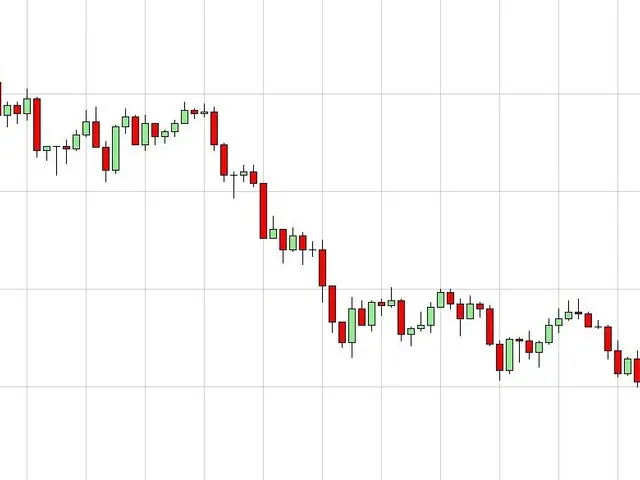
Visa's shares have fallen 8% this year and 10% over the past 12 months, while Moody's has dropped 12% year to date and 14% annually. Yet their latest earnings reports show robust growth, leaving investors watching closely.
Visa's struggles stem partly from a proposed bill aimed at dismantling its duopoly with Mastercard. Together, the two firms control around 75% of the global payment processing market, with Visa alone holding 52%—a share that has grown to 55% over the past five years. The company's revenue rose 15% year over year in the latest quarter, with earnings up 17%. Historically, Visa has delivered a 16% annualised return over the past decade and 19% since its 2008 public debut.
Moody's, meanwhile, has seen its stock market slide despite a 13% revenue jump and a 57% earnings surge in the December quarter. The credit rating giant, alongside Standard & Poor's Global, dominates the sector with a combined 80% market share. Over the past 10 years, Moody's has averaged a 17% annualised return and 15% since 2008.
Both companies have been staples in Berkshire Hathaway's portfolio for years. Their recent stock market price drops contrast sharply with their long-term growth, raising questions about whether regulatory risks or broader stock market trends are driving the decline.
The declines in Visa and Moody's stocks come at a time when both firms report strong financial results. Visa's market share has steadily expanded, while Moody's maintains its grip on the credit ratings industry. Investors will now weigh whether the recent dips reflect short-term volatility or deeper challenges ahead in the stock market.