Bitcoin tumbles 4% as Middle East tensions spark market sell-off
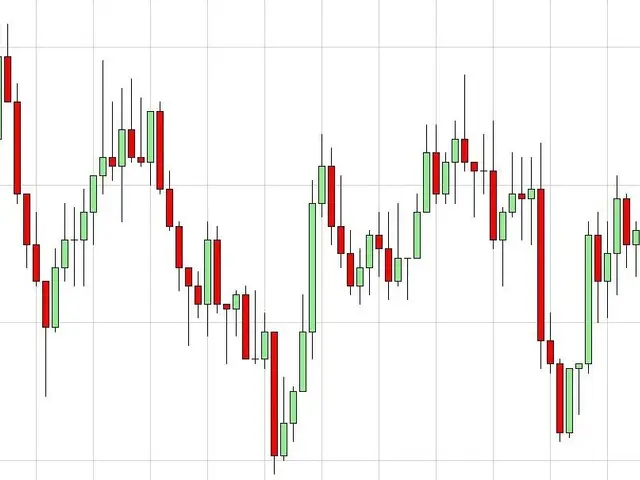
Bitcoin's price fell by over 4% on March 27, settling between $65,720 and $66,030. The drop came as geopolitical tensions in the Middle East drove investors toward safer assets like gold, the US dollar, and oil. Stock markets also declined, with the DAX and EuroStoxx 50 both losing ground.
The decline in Bitcoin followed a $14.16 billion options expiration on Deribit, wiping out 40% of outstanding contracts. This triggered more than $115 million in liquidations of leveraged long positions, adding to the downward pressure. Market data shows a put-to-call ratio above 0.62, signalling that traders are increasingly betting on further price drops.
Geopolitical instability since March 27 has heightened fears of prolonged conflict in Iran, potential disruptions in the Strait of Hormuz, and rising inflation. These concerns have pushed capital away from riskier assets, including cryptocurrencies. Analyst Lacie Zhang noted that institutional investors have been reducing their bullish Bitcoin exposure, removing a key source of market stability. Technical analysts warn of further weakness. Illia Otychenko cautioned that a break below current support levels could push Bitcoin toward $60,000. Peter Brandt identified a rising wedge pattern, suggesting possible declines to $60,000 or even $49,000. Meanwhile, trader Ted forecasted a potential drop below $50,000 in the second quarter of 2026, though he expects a recovery to $100,000 by the end of the year. Stock indices reflected the broader risk-off sentiment. The DAX fell 1.4% to around 22,290 points, while the EuroStoxx 50 dropped 1.1% to 5,505 points. Safe-haven assets like gold, the Swiss franc, and the Japanese yen saw increased demand as investors sought shelter from volatility.
Bitcoin now faces critical support near $60,000, with analysts expecting further pressure if tensions in the Middle East persist. The shift away from risk assets has weakened demand for cryptocurrencies, at least in the short term. Market participants are closely watching whether institutional outflows and technical breakdowns will drive prices lower in the coming months.