AeroVironment's stock plummets 25% amid Space Force contract doubts
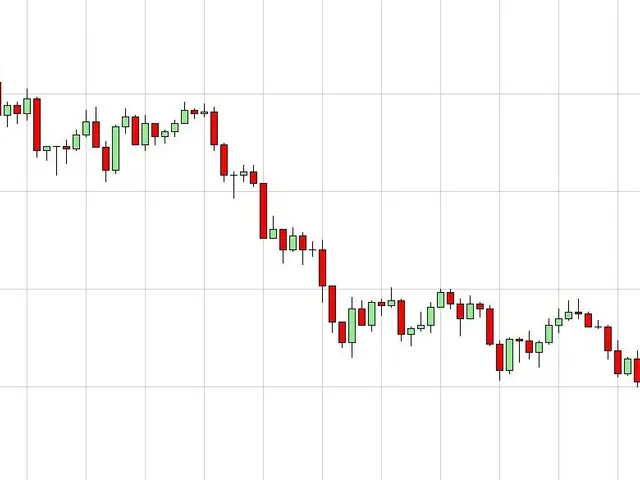
AeroVironment, a defense technology firm with a market value of around £10 billion, has seen its share price tumble by 25% since early March. The drop came after analysts downgraded the stock and raised doubts about a major U.S. Space Force contract. Despite this, the company's finances remain stable, with low debt and strong cash reserves.
The company's shares hit a high of $303 on 2 March before falling sharply. Investors grew uneasy over potential delays or changes to a key Space Force project, though details on the contract's current status remain undisclosed. Analysts have warned that the stock could decline by another 20% or 30%, based on past trends.
AeroVironment's revenue jumped by nearly 80% in its latest reporting period. Yet, despite this growth, the firm still reports operating losses. Valuation measures, such as the price-to-earnings ratio, remain deeply negative, reflecting its high-risk profile.
Historically, the company's stock has shown extreme swings. After steep drops, it has often rebounded strongly within a year. However, during broader market downturns in 2018, 2020, and 2022, its shares fell by over 60%, performing worse than most competitors.
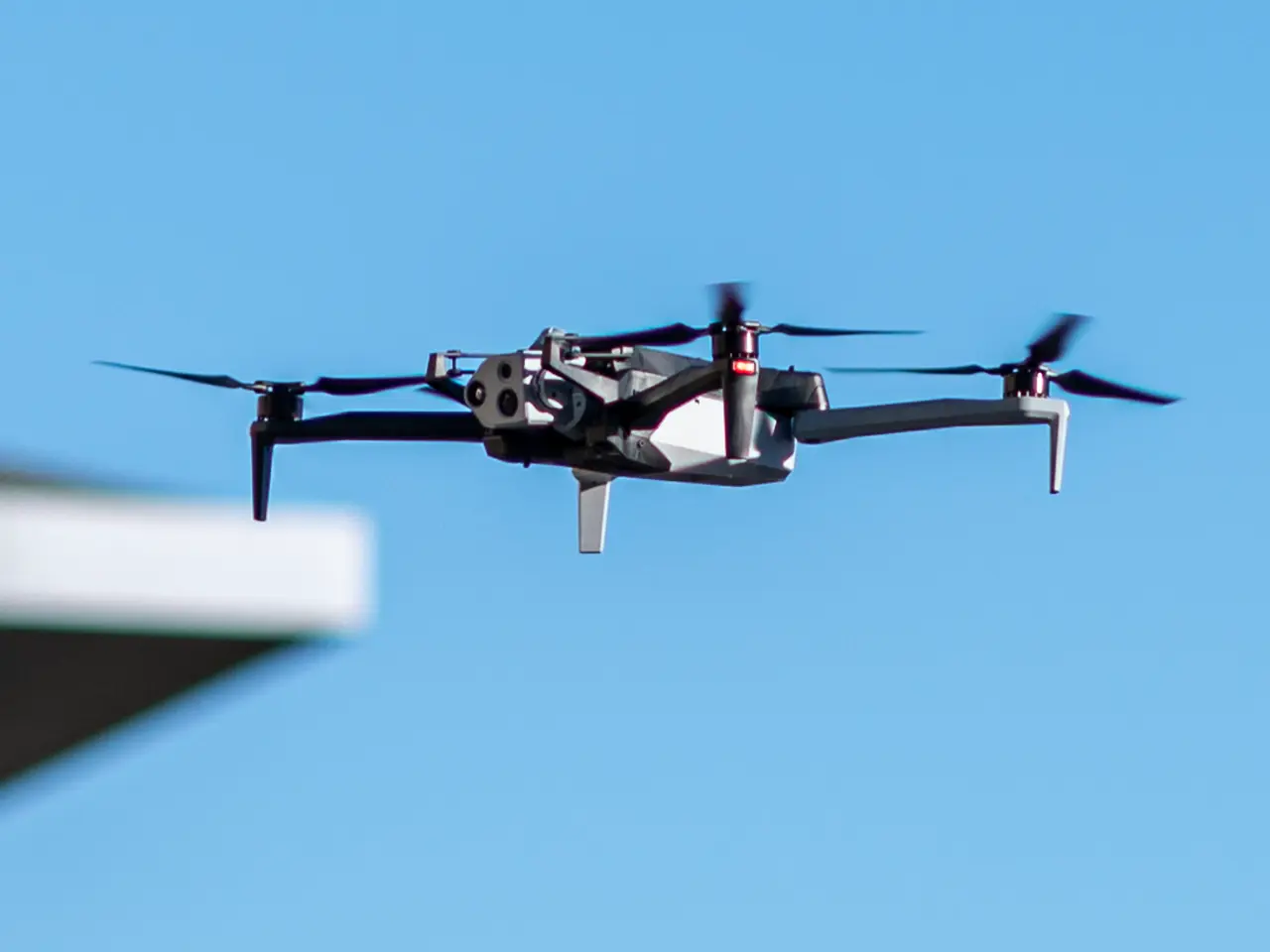
The firm's core business includes military drones, such as the RQ-180 reconnaissance system and other unmanned aerial vehicles. These contracts form a major part of its revenue, though their exact financial impact on the current stock market uncertainty is unclear.
AeroVironment remains a high-growth but volatile investment. Its strong liquidity and low debt provide financial stability, yet concerns over military contracts and profitability continue to weigh on its stock. The coming months will show whether the recent decline follows past recovery patterns or signals deeper challenges.